Home Makeover Made Easy: A Detailed Guide for Homeowners
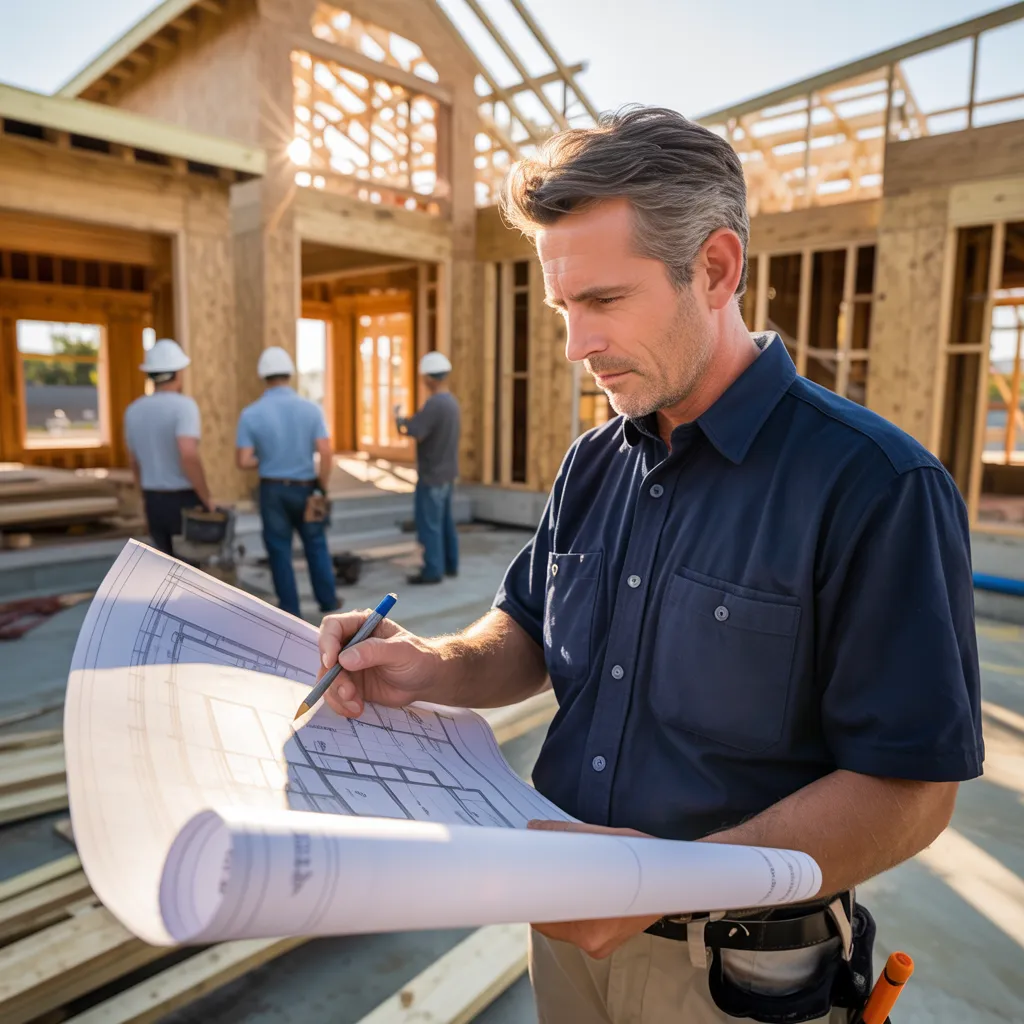
Home renovation can be an intimidating task for many property owners. Understanding one's requirements and establishing realistic goals is essential. A well-structured approach can make the process smoother and more efficient. This guide offers valuable insights into financial planning, design, and selecting the right materials. Homeowners may find themselves contemplating the best strategies for maneuvering these challenges. What critical steps should they consider to ensure a successful transformation of their homes?
Determining Your Requirements and Targets
When assessing their objectives and aspirations for home remodeling, homeowners often question where to start. The initial phase includes a comprehensive evaluation of their current living situation and desired outcomes. Homeowners should consider specific areas that need updating, such as outdated kitchens, limited storage capacity, or inadequate living space. Identifying these problems can help rank projects based on urgency and necessity.
Moreover, property owners should reflect on their upcoming goals. Are they looking to enhance comfort, increase property value, or design a more functional space for family gatherings? Understanding these objectives will determine the remodeling process and verify that the final outcome corresponds their vision.
Additionally, collecting input from relatives can be worthwhile, as different viewpoints may uncover further needs or wants. By making the effort to evaluate their aspirations and requirements, homeowners can create a solid base for a successful renovation undertaking.
Establishing a Realistic Budget
Developing a feasible budget is necessary for a successful remodeling project. Homeowners should begin by projecting project costs, considering materials, labor, and visual features. Additionally, article allocating contingency funds can support address unexpected expenses that may arise during the renovation process.
Determine Project Financial Requirements
defined projection, homeowners can set a realistic budget that aligns with their financial capabilities and project goals, eventually resulting in a smoother renovation process.
Set aside emergency resources
Estimating construction expenses lays the groundwork for effective budgeting, but homeowners must also consider unexpected expenses that may occur during a renovation undertaking. A typical suggestion is to allocate a reserve fund, usually spanning from 10% to 20% of the overall budget. This allocation functions as a financial buffer, allowing homeowners to handle unexpected problems such as structural repairs or material price increases without disrupting the entire project. By preparing for these possible expenses in beforehand, homeowners can exercise better management over their money and decrease anxiety throughout the renovation timeline. Ultimately, a carefully planned budget that contains reserve allocations improves the probability of a prosperous and gratifying renovation experience.
Arranging Your Space
How can residents successfully arrange their space to reflect their personal style while maximizing functionality? To reach this objective, they should begin by examining their priorities and daily routine. Recognizing how each room will be applied informs the overall design and circulation. Homeowners might explore establishing sections for multiple purposes, ensuring that frequently used spaces continue to be spacious and available.
Incorporating elements that highlight personal taste, such as color palettes, furniture choices, and design elements, allows for a unique expression without sacrificing practicality. Additionally, utilizing multifunctional furniture can improve space efficiency, especially in compact spaces.
Natural light represents another critical factor; opening up windows or strategically using mirrors can generate a more inviting atmosphere. To conclude, property owners need to evaluate proportion and scale, verifying that furnishings harmonize with the room's dimensions while sustaining a organized appearance. Through integrating thoughtful design with style, property owners can construct a harmonious residential setting adapted to their inclinations.

Choosing Products and Surface Treatments
When selecting materials and finishes, homeowners should focus on both visual attractiveness and longevity to confirm their choices endure the test of time. The selection process begins with grasping the desired aesthetic of the space, as different materials can evoke distinct atmospheres. For example, wood materials can produce warmth, while modern metal finishes may provide a modern edge.
Homeowners should also think about the maintenance requirements of each material. Some coatings may require more care than others, influencing long-term pleasure. Additionally, spending limits are important; selecting high-quality yet cost-effective options can produce enduring benefits.
Environmental responsibility is growing increasingly crucial, encouraging many to select eco-friendly materials that reduce environmental impact. Finally, homeowners should assemble samples to visualize how chosen materials will interact with lighting and existing elements in the space. This hands-on approach aids in making thoughtful choices that align with both personal style and practical needs.
Hiring the Right Professionals
Homeowners should carefully assess the qualifications and experience of professionals hired for home remodeling to ensure quality work. Additionally, reviewing price quotes across various service providers aids in determining budget-conscious choices. Locating appropriate skills through these crucial steps is vital for a successful remodeling project.
Evaluating Skills and Experience
Choosing the suitable experts for a home remodeling project requires careful evaluation of their qualifications and expertise. Property owners should start by verifying qualifications, ensuring that contractors have the necessary licenses and certifications pertinent to the project. Additionally, examining a portfolio of past work can provide understanding into a professional's approach and quality of workmanship. It is also advantageous to request references from previous clients to assess contentment and reliability. Experience in particular kinds of renovation, such as kitchen or bathroom renovations, can be essential; experts often have the advanced abilities required for complex tasks. Finally, a thorough evaluation of qualifications and experience will help homeowners choose professionals who can effectively implement their plan while adhering to industry standards.
Examining Cost Estimates Properly
Examining budget quotes serves as a important step during the contractor hiring for home renovation projects. Homeowners should gather estimates from several contractors to ensure an thorough comparison. Each quotation should illustrate labor, materials, and any additional charges, making feasible an accurate side-by-side appraisal. It is vital to consider not just the total expenditure but also the amount of work included in each quotation. Homeowners must stay mindful of unusually reduced estimates, as they may signal inadequate quality or concealed charges. Engaging in discussions with contractors concerning their quotations can provide understanding regarding their rationale and integrity. In conclusion, opting for a contractor should balance price and the excellence of quality workmanship, promoting a successful renovation experience.
Comprehending the Home Improvement Steps
Although the remodeling effort can seem intimidating, homeowners can accomplish their goals by implementing several key steps. First, they should formulate a well-defined vision for their renovation, specifying expected results and particular features. Following this, setting up a feasible budget is vital, accounting for materials, labor, and surprise costs. Researching and hiring experienced professionals can also prove beneficial; homeowners should request recommendations and examine reviews before making their decision.
Once a contractor is selected, strong dialogue is essential. Homeowners should discuss timelines, project scope, and any concerns upfront to avoid misunderstandings. During the remodeling phase, regular check-ins with the contractor will help ensure that the project stays on track and adheres to the agreed-upon plan. Finally, being flexible with modifications, whether due to unexpected issues or new ideas, can improve the overall experience, leading to a successful and satisfying remodeling outcome.
What Timeframe Can You Foresee for a Typical Home Renovation Project?
A typical home remodeling project typically takes anywhere from a few weeks to several months, depending on the extent of the project, size of the home, and any unexpected issues that may arise during the process.
Which Licenses Are Necessary for Home Remodeling?
Renovation of a home typically demands various permits, encompassing building, electrical, plumbing, and zoning permits. The specific requirements copyright upon area ordinances and the project's scope, maintaining compliance with safety and construction standards during renovations.
What Are the Best Approaches to Reduce Disruptions Throughout Renovation?
To reduce interruptions during rebuilding, one should create a detailed plan, confer with construction professionals, designate defined work spaces, and notify residents about schedules. This organization assists preserve normal patterns and decreases anxiety throughout the undertaking.
What Actions Ought to I Implement if I Exceed My Financial Limit?
If a budget is surpassed, he should evaluate the causes, focus on essential modifications, and investigate possible ways to reduce expenses. Transparent communication with contractors and looking for substitute materials can also help bring finances into alignment with project goals.
What Steps Can I Take to Ensure Excellent Craftsmanship?
To ensure quality workmanship, it is important to look into and hire trustworthy contractors, check references, review past projects, and set up clear communication concerning expectations, timelines, and materials. Consistently monitoring progress also supports maintaining high standards throughout the project.